
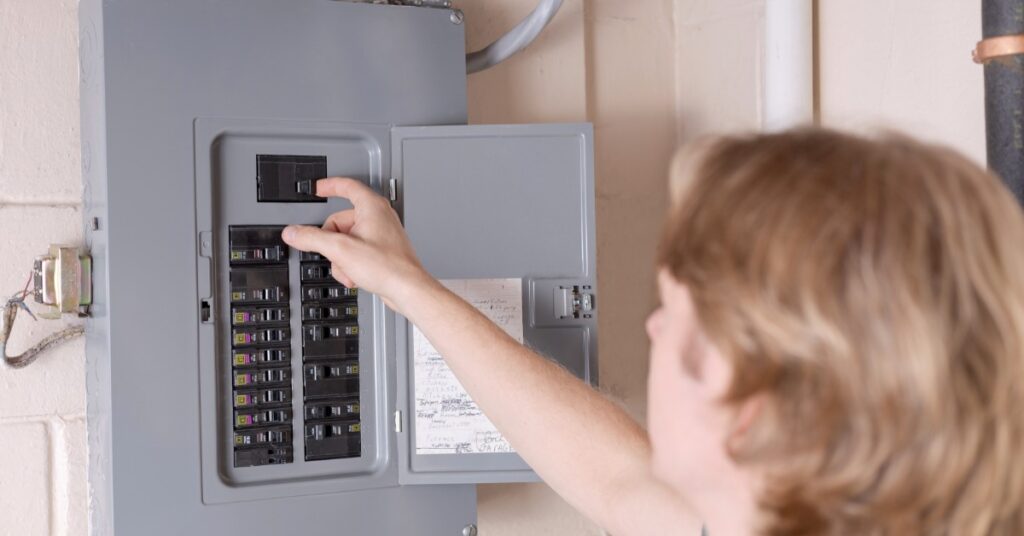
Electrical safety depends on more than careful appliance use and good wiring practices. Your electrical panel also plays a central role in protecting the circuits that carry power throughout your home. Understanding why modern circuit breakers matter for home fire prevention can help you recognize when an aging electrical system may need professional attention. Modern breakers interrupt unsafe conditions before heat or electrical faults create greater hazards.
What a Circuit Breaker Does
A circuit breaker acts as a protective switch inside your electrical panel. Electricity flows through each breaker before traveling along a branch circuit to outlets, lights, or permanently connected equipment. When current rises beyond the level the circuit can safely handle, the breaker opens the circuit and stops the flow of electricity. This response helps protect wiring from overheating and reduces the chance that an electrical problem will continue unnoticed.
Breakers also make it possible to isolate individual circuits when electricians perform repairs or troubleshooting. Unlike older fuse systems, homeowners can usually reset a breaker after an electrician identifies and corrects the underlying problem. However, homeowners should never treat repeated tripping as an inconvenience that simply requires another reset. Frequent trips often indicate that the breaker is responding to a condition that deserves professional evaluation.
How Overloaded Circuits Can Create Fire Risks
Every electrical circuit has limits. When too many devices draw power from one circuit, the wiring can carry more current than it can handle. Excess current produces heat, and sustained overheating can damage wire insulation or electrical connections. A properly functioning circuit breaker detects an overload and disconnects power before the condition becomes more dangerous.
Homeowners sometimes encounter overloads after adding new appliances or using multiple high-demand devices in the same area. Older homes can be especially vulnerable because their original electrical systems may not match modern household power needs. Adding power strips does not increase a circuit’s electrical capacity. If breakers trip regularly during normal use, an electrician should determine whether the circuit load or another electrical issue is causing the problem.
Modern Breakers Can Respond to More Than Overloads
Traditional circuit breakers primarily protect against excessive current caused by overloads or short circuits. Modern electrical systems may also use specialized breakers designed to recognize other hazardous conditions. Arc-fault circuit interrupter breakers can detect certain abnormal electrical arcing patterns that ordinary breakers may not identify. Because electrical arcs can generate intense heat, detecting them can add an important layer of protection in appropriate residential circuits.
Ground-fault circuit interrupter protection addresses a different type of electrical hazard. Depending on the circuit and applicable requirements, a breaker or another approved device may provide this protection. Modern electrical panels can support protective technologies that older equipment may not accommodate. An electrician can evaluate the panel and determine which protections apply to the home under current electrical requirements.
Why Aging Breakers Deserve Attention
Circuit breakers do not remain immune to wear simply because they sit inside a closed panel. Years of electrical demand, heat exposure, mechanical operation, or poor connections can affect how electrical equipment performs. A breaker that feels unusually hot or will not remain reset may signal a problem that requires prompt attention. Visible damage around the panel also warrants professional evaluation rather than continued use.
Age alone does not prove that every breaker needs replacement, so homeowners should avoid making assumptions based only on the installation date. The condition of the equipment matters, along with compatibility and the overall state of the electrical system. A licensed electrician can inspect the panel and identify signs of deterioration that may not be obvious from outside. This evaluation helps homeowners make repair decisions based on actual electrical conditions.
The Importance of Proper Breaker Sizing and Compatibility
A circuit breaker must match the electrical system it protects. Installing a breaker with an incorrect rating can prevent the circuit from receiving the protection intended for its wiring. Breakers also need approval for use with the specific panel. A component that physically fits does not automatically mean it is electrically appropriate or permitted for that equipment.
This is one reason breaker replacement should not become a trial-and-error home project. Electricians consider the circuit conductors and connected load when selecting protective equipment. They also check manufacturer requirements and applicable electrical codes. Correct selection helps the breaker respond as intended while preserving the safety of the complete circuit.
Warning Signs That Call for Professional Evaluation
A breaker that trips once because of an obvious temporary overload may operate exactly as intended. Repeated tripping during ordinary household use tells a different story. The cause could involve an overloaded circuit, damaged wiring, a failing appliance, or another electrical fault. Resetting the breaker repeatedly without finding the cause can leave the underlying problem unresolved.
Other warning signs can appear near the electrical panel itself. Burning odors or scorch marks require immediate attention because they may indicate overheating or damaged components. Buzzing from the panel can also point to an electrical problem that requires prompt attention. Homeowners should avoid removing the panel cover or touching internal components and instead contact a qualified electrician for inspection.
Why Professional Replacement Matters
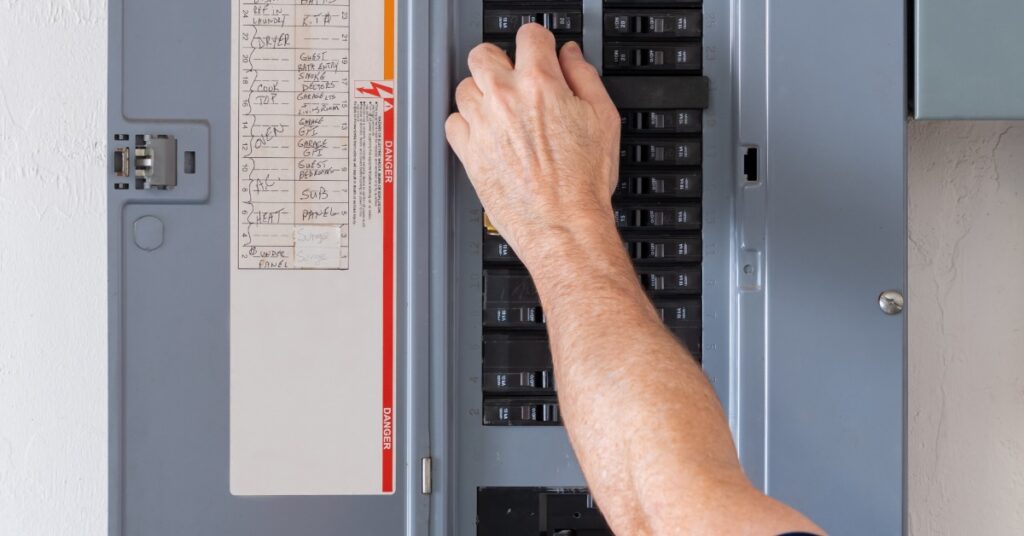
Replacing a circuit breaker involves more than swapping one switch for another. The electrician must identify why the original breaker failed or began behaving abnormally. If damaged wiring or a loose connection caused the issue, installing a new breaker without correcting that condition would not solve the real problem. Professional troubleshooting helps address the source of the electrical concern.
Electricians can also determine whether the existing panel remains suitable for continued service. In some situations, replacing an individual breaker may be appropriate. In others, broader panel work may make more sense because of equipment condition or electrical demand. A professional assessment keeps the repair focused on what the system needs rather than relying on guesswork.
Protect Your Home With Reliable Circuit Breaker Replacement
Knowing why modern circuit breakers matter for home fire prevention gives homeowners a clearer reason to take breaker problems seriously. These protective devices help interrupt unsafe electrical conditions before heat or faults can continue damaging a circuit. When breakers trip repeatedly or show signs of trouble, prompt professional evaluation can help protect the electrical system and the people who rely on it. Hagan Electric offers circuit breaker replacement for homeowners in Sacramento and surrounding areas, with an emphasis on electrical safety and code-conscious service. Contact us today to protect your electrical systems.