
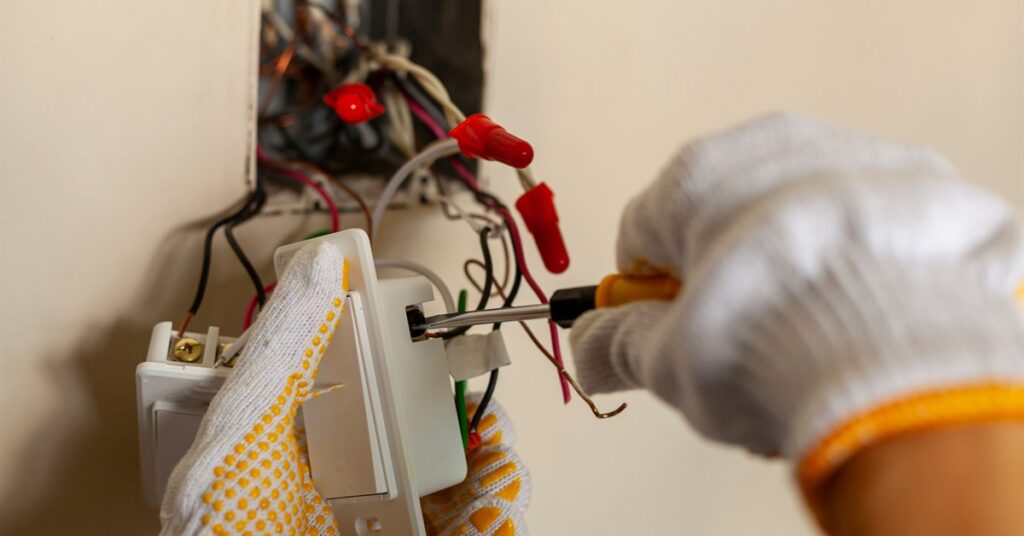
Electrical wiring works quietly behind your walls, making it easy to overlook problems until something stops working. Yet aging insulation and loose connections can create hazards long before a circuit fails completely. Knowing the warning signs of old or damaged electrical wiring helps homeowners recognize trouble early and seek professional help before minor issues become serious safety concerns. Pay attention to changes in how your home’s electrical system behaves, especially if you live in an older house.
Why Electrical Wiring Deteriorates Over Time
Wiring does not last forever. Years of heat exposure can weaken insulation, while repeated electrical loads place stress on connections. Renovations may also leave behind mismatched materials or outdated wiring methods that no longer suit a household’s needs. Even relatively recent wiring can develop problems when moisture enters a junction box or someone makes an improper connection.
Older homes deserve particular attention because their electrical systems may have served several generations of appliances. Previous owners might have added outlets or altered circuits without addressing the original wiring. A qualified electrician can identify unsafe conditions and recommend repairs that fit the home’s current electrical demands.
Frequent Circuit Breaker Trips
A breaker protects a circuit by interrupting electricity when it detects certain unsafe conditions. If the same breaker trips repeatedly, something needs attention. An overloaded circuit may cause the problem, but damaged wiring or a faulty connection can also trigger interruptions.
Notice when the breaker trips and which devices were operating at the time. This information can help an electrician narrow down the cause. Avoid repeatedly resetting a breaker that continues to trip. The interruption serves as a warning, not an inconvenience to work around.
Flickering or Dimming Lights
Lights sometimes dim briefly when a large appliance starts, but persistent flickering deserves investigation. A loose wire connection can interrupt power to a fixture and produce uneven lighting. Problems may also originate in a switch, fixture, or shared circuit.
Pay attention when several lights flicker together, particularly in different rooms. That pattern may indicate a broader electrical issue rather than a single failing bulb. An electrician can test the affected circuits and determine whether the wiring needs repair.
Warm Outlets and Switch Plates
An outlet or switch should not feel unusually hot during normal use. Excessive warmth may point to a loose connection or another condition that produces unwanted heat. Discoloration around a receptacle can signal an especially concerning problem.
Stop using an outlet that feels hot or shows signs of scorching. Do not remove the cover or attempt to tighten connections yourself. An electrician can safely inspect the device and the wiring behind it to locate the source of overheating.
Burning Odors Near Electrical Fixtures
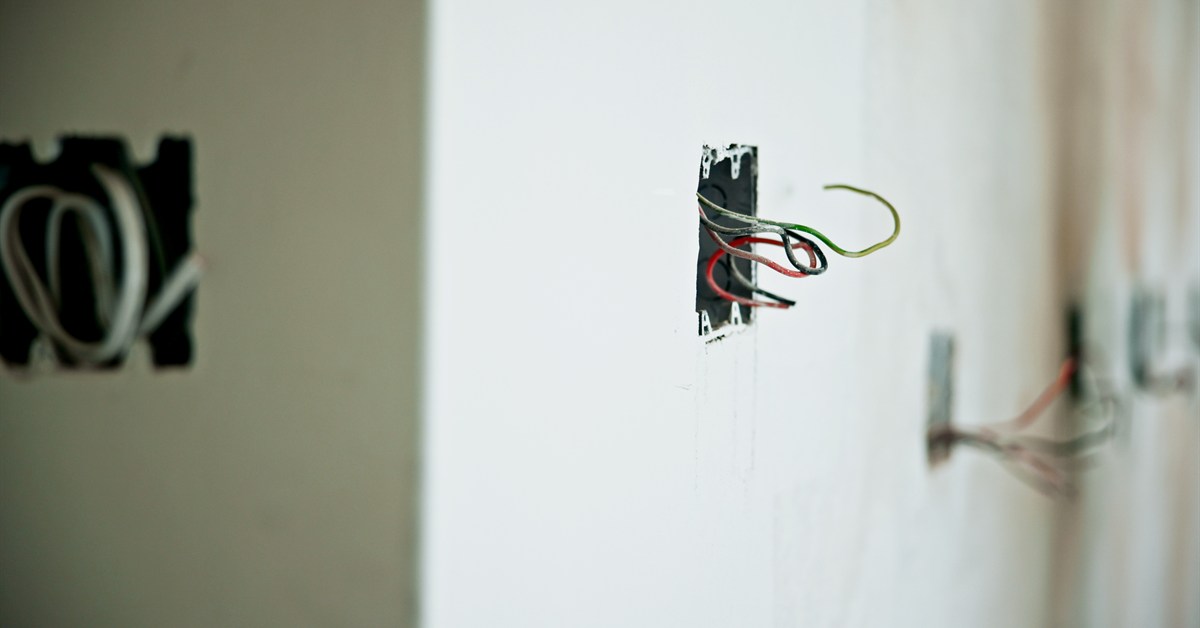
A burning smell without an obvious source calls for immediate attention. Overheated insulation may produce a sharp odor near an outlet or electrical panel. Sometimes the smell appears only while a particular appliance operates, making the problem harder to notice consistently.
If you notice smoke, sparks, or signs of an active fire, leave the area and contact emergency services. Otherwise, stop using the affected equipment and arrange prompt professional evaluation. Never assume an odor has disappeared because the underlying hazard has resolved.
Buzzing Sounds From Outlets or Walls
Electrical systems generally operate without audible buzzing from outlets or switches. A crackling sound may indicate arcing, which occurs when electricity jumps across an unintended gap. Loose or deteriorated connections can contribute to this dangerous condition.
Listen for sounds that appear when you turn on a light or plug in an appliance. Do not investigate by opening electrical boxes. Describe the sound and its location to an electrician, who can inspect the circuit using appropriate safety procedures.
Loose or Damaged Electrical Outlets
Outlets that no longer grip plugs securely may have worn internal contacts. A loose receptacle can also move inside its electrical box, placing stress on connections. Neither condition automatically proves that wiring inside the wall has failed, but both warrant attention.
Look for cracked covers or visible damage without touching exposed parts. If an outlet sparks when you insert a plug, stop using it and request service. Replacing the device alone may not address a damaged wire or improper connection behind the wall.
Outdated Wiring in Older Homes
Some older houses contain wiring systems that require special evaluation. Knob-and-tube wiring, for example, may lack grounding and can become hazardous when insulation or later modifications compromise its original installation. Certain older aluminum branch circuits also need careful assessment because connections may overheat if they lack suitable devices or repairs.
You cannot reliably identify every wiring material by looking at an outlet. A professional inspection can determine what your home contains and whether conditions call for targeted repairs or broader rewiring. Age alone does not establish that every wire needs replacement.
Shocks or Tingling From Electrical Devices
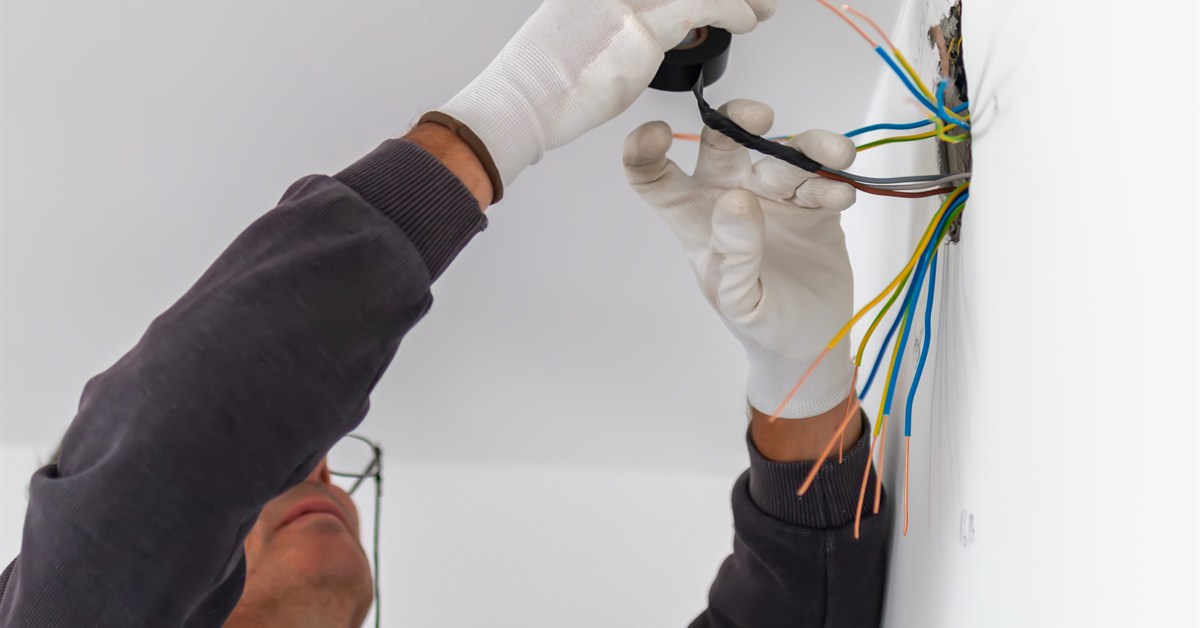
A tingling sensation when touching an appliance or switch can indicate an electrical fault. Damaged insulation or grounding problems may allow current to reach surfaces that people touch. Even a mild shock deserves serious attention because the next contact could be more dangerous.
Stop using the affected device and avoid touching it again. Ask an electrician to check the outlet and circuit before restoring normal use. Do not rely on a replacement appliance to solve a problem that may originate in household wiring.
When To Schedule a Wiring Inspection
You do not need to wait for a dramatic failure before requesting help. Consider an inspection when you purchase an older home, plan a major remodel, or notice recurring electrical problems. A professional can assess accessible wiring and connections while identifying areas that require further investigation.
A thorough evaluation also helps distinguish wiring defects from worn fixtures or overloaded circuits. That distinction matters because the safest repair depends on the actual cause. Professional diagnosis can prevent unnecessary replacement while addressing genuine hazards.
Keep a record of recurring symptoms, including where they happen and whether certain appliances are running. Clear observations help your electrician investigate efficiently, but they should never replace a prompt hands-on inspection when safety concerns arise.
Protect Your Home With Hagan Electric
Recognizing the warning signs of old or damaged electrical wiring gives you a chance to act before a hidden problem escalates. Hagan Electric provides home electrical wiring repair for homeowners in Sacramento and surrounding communities. Our veteran-owned team brings decades of electrical industry experience to residential troubleshooting and repairs. Contact Hagan Electric to request an evaluation and discuss the safest next steps for your home’s wiring.