
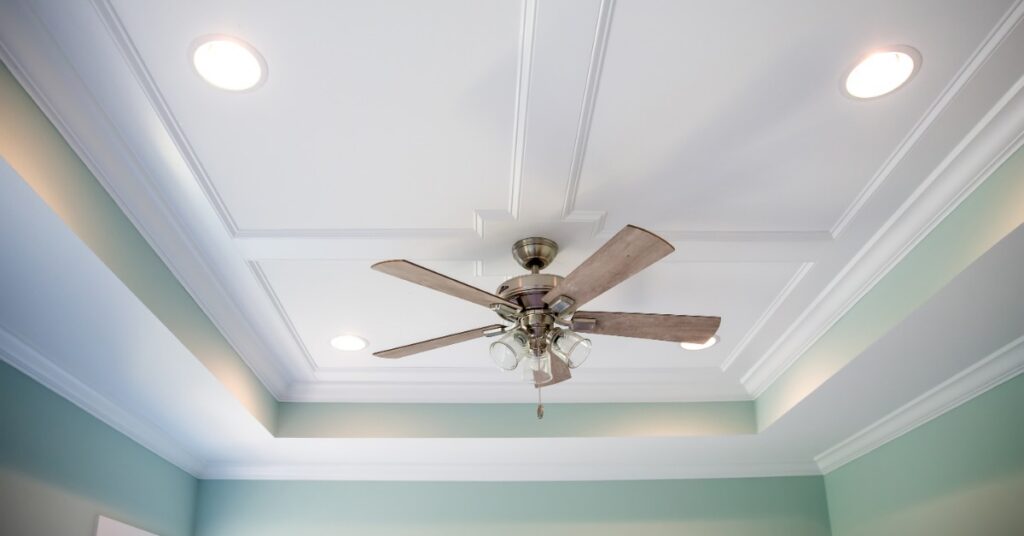
Lighting can transform a room’s appearance and improve its functionality. When comparing ceiling lighting options, homeowners may wonder about the differences between traditional can lights and newer canless recessed lights. Choosing between can lights vs. recessed lights comes down to understanding how each fixture works and what your home requires. Both options provide attractive overhead lighting, but their installation requirements can make one a better fit for your space.
Understanding the Difference Between Can Lights and Recessed Lights
Can lights are a traditional type of recessed lighting. They use a metal housing, commonly called a can, that sits above the ceiling surface. The housing supports the light source and helps protect surrounding materials from electrical components and heat. A trim piece finishes the opening so the fixture blends into the ceiling.
Recessed lighting is the broader category. It includes traditional can fixtures and newer canless LED lights that sit nearly flush with the ceiling. Consequently, the comparison homeowners usually want involves can lights versus canless recessed lights, rather than two entirely separate lighting styles. That distinction makes shopping easier and helps you communicate with an electrician.
How Traditional Can Lights Work
Traditional can lights rely on a housing that occupies space inside the ceiling. Depending on the fixture, that housing may accommodate a replaceable bulb or an integrated LED module. The visible trim controls the appearance of the opening and can influence how light spreads through the room.
Some housings work best during new construction because installers can access exposed framing. Others suit remodeling projects where the ceiling already has drywall. Your electrician can select a housing that matches the installation conditions and the ceiling assembly.
Can lights also offer familiar maintenance options. With certain designs, you can replace a compatible bulb without replacing the entire fixture. However, you must follow the manufacturer’s requirements when selecting bulbs and trims.
How Canless Recessed Lights Work
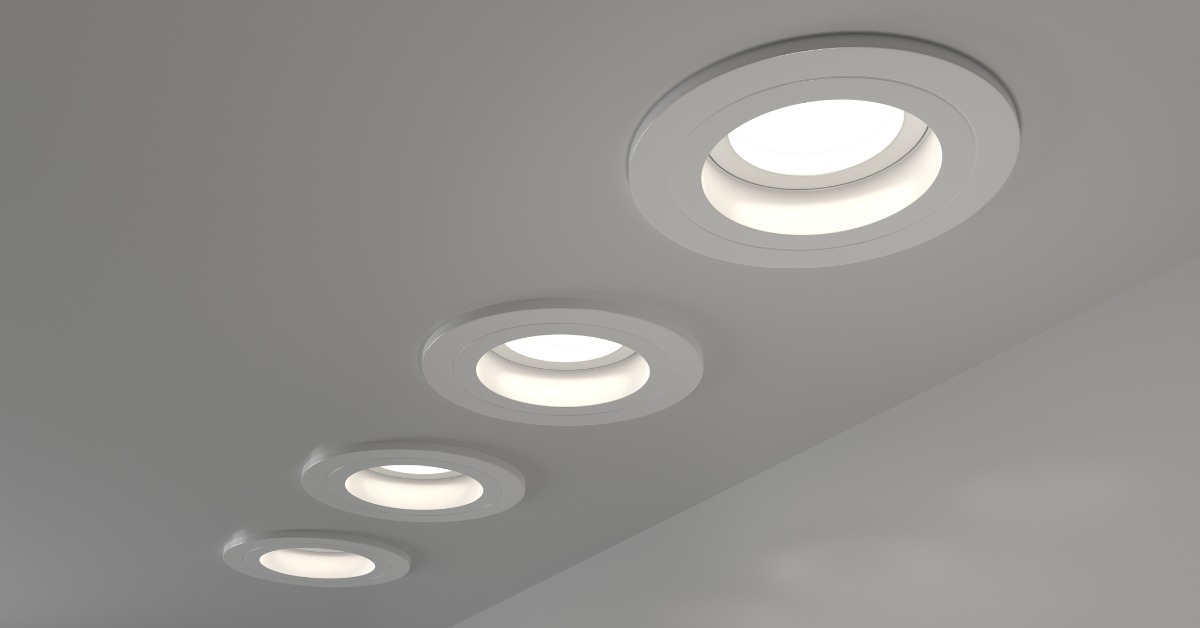
Canless recessed lights eliminate the large traditional housing. Many models use a thin LED panel connected to a separate electrical junction box or driver. Their compact design can make installation practical where ductwork or limited ceiling depth prevents a conventional housing from fitting.
The installer still needs suitable space for the fixture and its electrical components. The junction box must remain accessible as required, and the installation must follow the product listing. A thin profile does not automatically make every ceiling location suitable.
Most canless fixtures use integrated LEDs rather than ordinary screw in bulbs. When the light source or driver fails, the repair may involve replacing a component or the fixture itself. Check replacement availability before committing to a particular model.
Consider Your Available Ceiling Space
Ceiling clearance often determines which style makes sense. Traditional can housings require enough room above the drywall for their depth and installation clearances. Joists or mechanical equipment can limit where an electrician can position them.
Canless lights generally need less vertical space, which gives homeowners more flexibility in finished rooms. Still, an electrician must inspect the ceiling before confirming that a specific fixture will fit. Obstructions can affect even a slim LED layout.
Insulation also matters. Fixtures installed near insulation must carry the appropriate rating for that application. Never assume a housing or canless light can contact insulation unless its labeling permits that installation.
Compare Lighting Quality and Appearance
Both styles can create a clean ceiling with minimal visual clutter. Traditional can lights offer numerous trim configurations, including options that recess the light source farther into the ceiling. This can help control glare in rooms where occupants regularly look toward the fixtures.
Canless models often provide a streamlined appearance with shallow trim. Some feature adjustable color temperature settings, allowing you to select a warmer or cooler look during setup. However, features vary between products, so compare specifications rather than relying on fixture style alone.
Pay attention to beam spread and brightness. A narrow beam can emphasize a particular area, while a wider distribution may provide more general illumination. Your electrician can help plan spacing that suits the room rather than simply placing fixtures at equal intervals.
Think About Energy Use and Maintenance
LED technology can reduce electricity consumption compared with older incandescent lighting, regardless of whether the fixture uses a can. A traditional housing fitted with a compatible LED lamp may perform efficiently. A canless fixture with an integrated LED can also provide efficient lighting.
The fixture’s design alone does not determine operating costs. Wattage and actual usage matter more than the label on the package. Compare compatible products based on the amount of useful light they deliver for the electricity they consume.
Maintenance deserves equal attention. Replaceable lamps can simplify future changes, while integrated fixtures may require a more involved replacement. Consider whether you value easy bulb replacement or prefer the compact construction of an integrated design.
Evaluate Installation Requirements
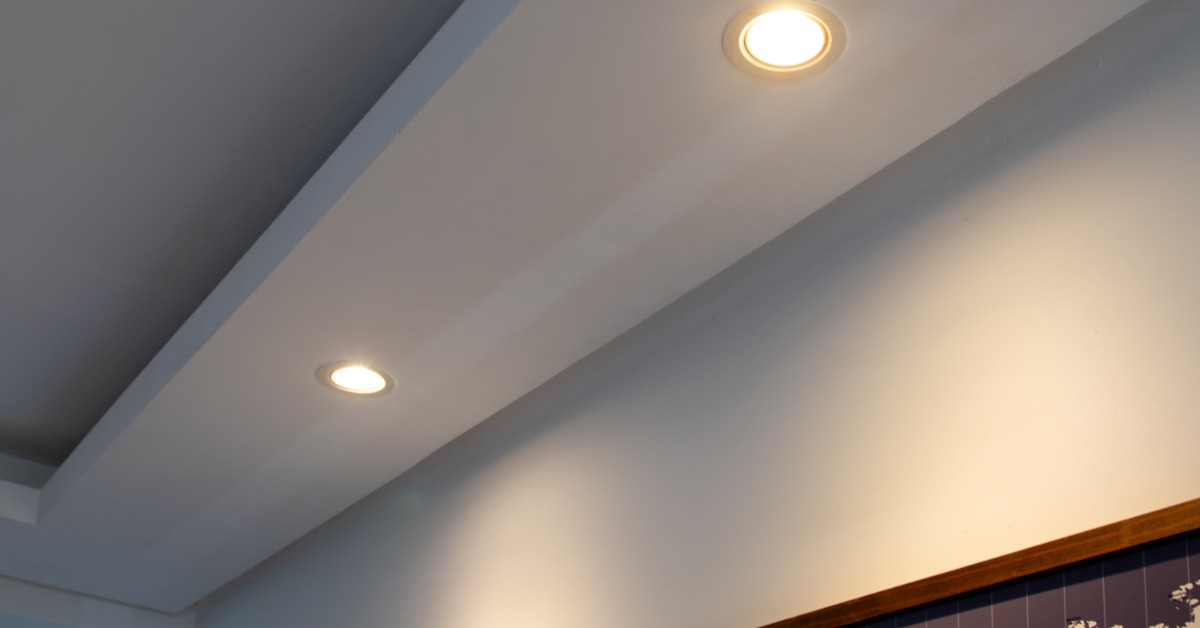
A successful installation involves more than cutting a ceiling opening. An electrician must verify the circuit, identify suitable wiring methods and confirm that each fixture meets applicable requirements. Existing electrical conditions can influence the scope of work.
Traditional housings may require additional clearance and careful positioning around framing. Canless fixtures can simplify certain layouts, but their drivers and connections still require proper installation. Neither option eliminates the need for electrical expertise.
Dimming compatibility also warrants attention. Not every LED works smoothly with every dimmer. Selecting compatible equipment helps avoid flickering or inconsistent brightness after installation.
Which Lighting Option Fits Your Home?
Choose traditional can lights when you want the flexibility of certain replaceable lamps or specialized trims and have sufficient ceiling space. They can work especially well when a renovation exposes framing and allows the electrician to position housings before drywall installation.
Consider canless recessed lights when ceiling depth creates challenges or you prefer a low-profile integrated fixture. They can also suit finished spaces where a conventional housing would interfere with an obstruction. Product selection still needs to account for accessibility and compatibility.
Neither choice wins in every situation. The best solution depends on the ceiling conditions and the lighting experience you want. A professional assessment can reveal constraints before you purchase fixtures that may not suit your home.
Get Professional Light Fixture Installation From Hagan Electric
Choosing between can lights vs. recessed lights becomes easier when you understand the installation requirements behind each design. Hagan Electric provides professional light fixture installation services for homeowners in Sacramento and surrounding communities. Our veteran-owned team brings extensive electrical industry experience to lighting projects, with attention to safe installation and applicable code requirements. Contact Hagan Electric to discuss your ceiling lighting goals and request a quote for your home.