
Electrical safety should never be an afterthought for homeowners. Learning how to create an electrical safety checklist for your home helps you identify potential hazards, maintain your electrical system, and prevent costly or dangerous problems before they escalate. As electrical systems age and household power demands increase, regular safety reviews become even more important. A well-structured checklist allows you to inspect common problem areas, confirm that equipment operates properly, and stay proactive about electrical maintenance.
Why Every Home Needs an Electrical Safety Checklist
Electricity powers nearly every aspect of modern life, but neglected systems and improper use can create serious safety risks. Faulty wiring, overloaded circuits, and damaged outlets can lead to shocks, electrical fires, or equipment failure.
An electrical safety checklist gives homeowners a simple process to evaluate their electrical system on a regular basis. Instead of reacting to problems only after something fails, you can monitor the health of your wiring, outlets, and panels throughout the year.
Routine electrical awareness also protects your investment in your home. Electrical issues that go unnoticed often worsen over time, which can lead to expensive repairs. By regularly checking key components of your system, you can address smaller issues early and maintain a safer living environment.
Start With Your Electrical Panel
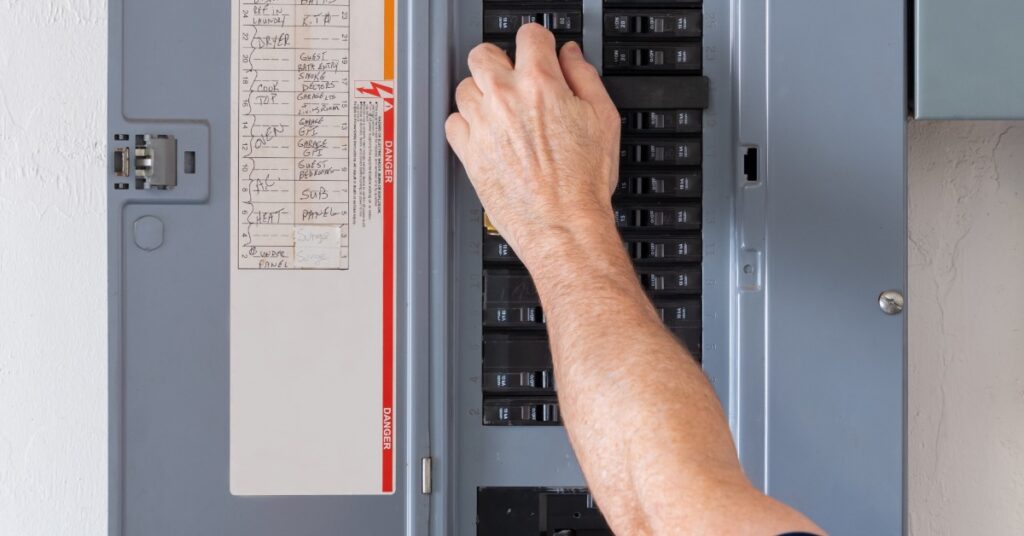
The electrical panel acts as the central hub of your home’s power distribution. When building a safety checklist, this is one of the first areas you should review.
Look for signs of wear, corrosion, or overheating around the panel. Clearly label each breaker so you know which circuit controls every area of your home. If labels are missing or outdated, take time to correct them. Proper labeling helps you quickly disconnect power during an emergency.
You should also make sure the panel area remains clear and accessible. Storing boxes, furniture, or equipment around the panel can make it difficult to reach quickly when needed.
Another important part of panel safety is paying attention to breakers that trip frequently. Occasional trips may happen during heavy electrical use, but repeated tripping often signals an overloaded circuit or underlying electrical problem that needs professional attention.
Inspect Outlets and Switches Throughout the Home
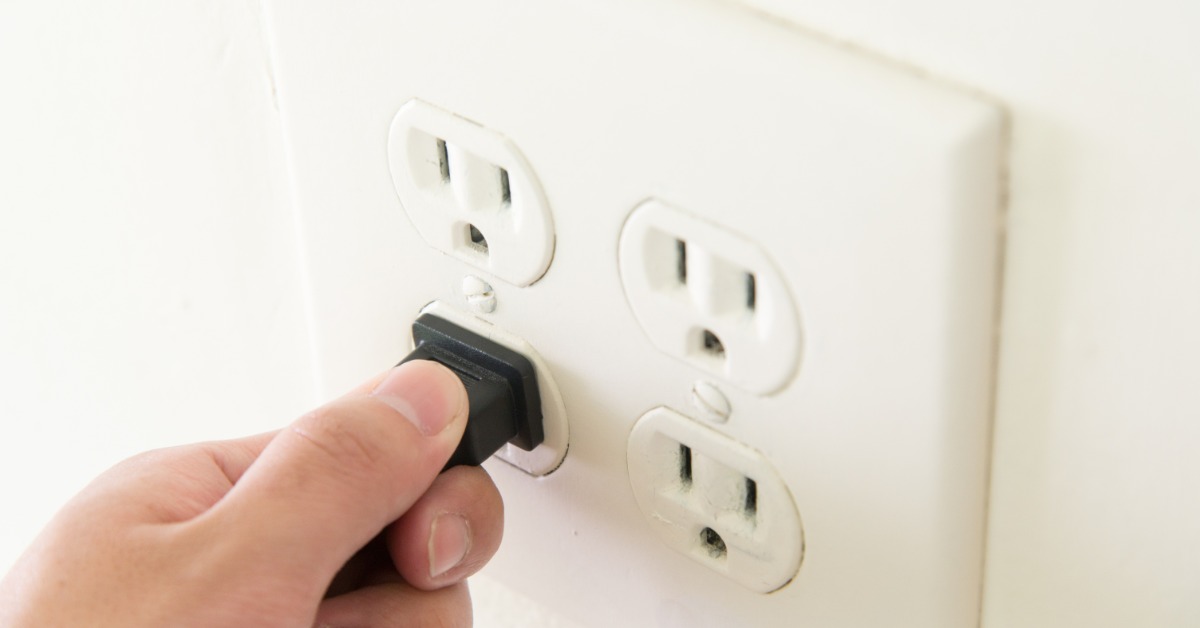
Outlets and switches see constant use, which makes them common locations for electrical wear. As part of your safety checklist, walk through each room and examine these components carefully.
Outlets should sit firmly within the wall and should not feel loose when plugging in devices. Discoloration around the outlet faceplate may indicate overheating or wiring issues. Any outlet that sparks when you plug something in deserves further inspection.
Switches should operate smoothly and should not produce unusual sounds or warmth. If a switch feels hot or buzzes when in use, it may indicate loose wiring or a failing component.
Pay close attention to areas near water, such as kitchens, bathrooms, garages, and outdoor spaces. These locations should have ground fault circuit interrupter protection, which helps reduce the risk of electrical shock.
Evaluate Extension Cord and Power Strip Use
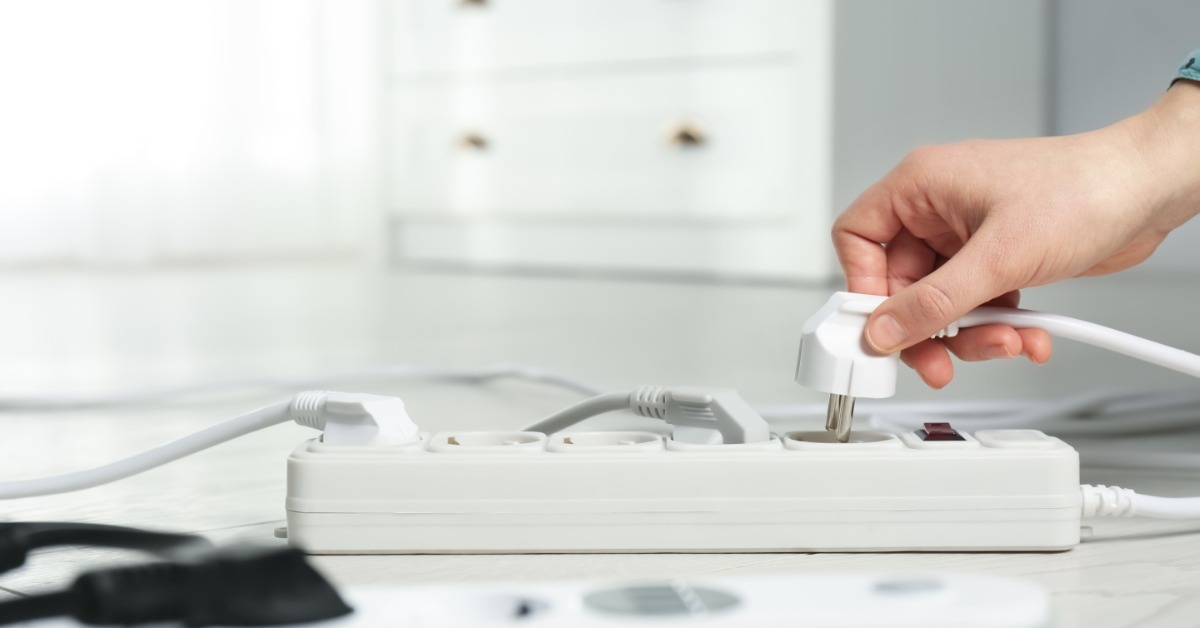
Many homes rely heavily on extension cords and power strips to accommodate growing technology needs. However, improper use of these devices can quickly create safety hazards.
Extension cords should only serve as temporary solutions rather than permanent wiring substitutes. If you find cords running behind furniture or across walkways for long periods of time, it may indicate that your home needs additional outlets installed by a professional electrician.
You should never overload power strips with multiple high-demand appliances. Devices like space heaters, microwaves, or refrigerators require dedicated circuits. Overloading power strips can cause overheating and significantly increase the risk of electrical fires.
During your checklist review, take note of cords that appear frayed, cracked, or damaged. You should replace any compromised cord immediately to prevent electrical hazards.
Check Lighting Fixtures and Bulbs
Lighting may seem simple, but fixtures can develop problems over time. A thorough electrical safety checklist includes a review of interior and exterior lighting.
Verify that each fixture uses the correct bulb wattage recommended by the manufacturer. Installing bulbs with higher wattage than designed can cause fixtures to overheat.
Look for flickering lights or fixtures that fail to turn on consistently. While this may occasionally stem from a loose bulb, it can also indicate wiring problems or circuit instability.
Outdoor lighting should also be secure and weather resistant. Fixtures exposed to the elements must remain properly sealed to prevent moisture intrusion, which can damage electrical components.
Pay Attention To Warning Signs of Electrical Trouble
One of the most valuable aspects of a home electrical checklist is learning to recognize early warning signs. Electrical systems often show subtle symptoms before a major problem occurs.
Frequent breaker trips, dimming lights when appliances start, burning smells, or buzzing sounds from outlets or panels all signal potential electrical issues. Ignoring these signs can allow small problems to develop into serious hazards.
If any of these symptoms appear during your checklist inspection, it is important to have the system evaluated by a qualified electrician. Electrical systems are complex, and diagnosing hidden issues often requires professional expertise.
Schedule Professional Electrical Inspections
Even the most detailed homeowner checklist cannot replace a professional electrical inspection. Licensed electricians have the training and equipment needed to evaluate wiring, load capacity, grounding systems, and code compliance.
Regular inspections are particularly important in older homes where wiring systems may no longer meet current safety standards. Renovations, appliance upgrades, and additions can also increase electrical demand, which may require panel upgrades or circuit modifications. Professional inspections help confirm that your electrical system continues to operate safely and efficiently while identifying improvements that enhance long-term reliability.
Professional Electrical Help for Safer Homes
Understanding how to create an electrical safety checklist for your home is an excellent first step toward protecting your property and family. Routine inspections help homeowners stay aware of potential issues and maintain safe electrical habits. However, some problems require professional knowledge to resolve safely.
Hagan Electric provides professional electrical services for homeowners in Antelope, California and the surrounding communities. We are a veteran-owned electrical contractor with decades of industry experience, offering services such as electrical safety inspections, panel upgrades, lighting installation, and home wiring improvements.
Our experienced team focuses on safety, code compliance, and reliable workmanship to ensure your electrical system operates properly. If you want peace of mind about your home’s electrical safety, Hagan Electric can help evaluate your system and recommend the right solutions for your property. Contact us today to learn more.