
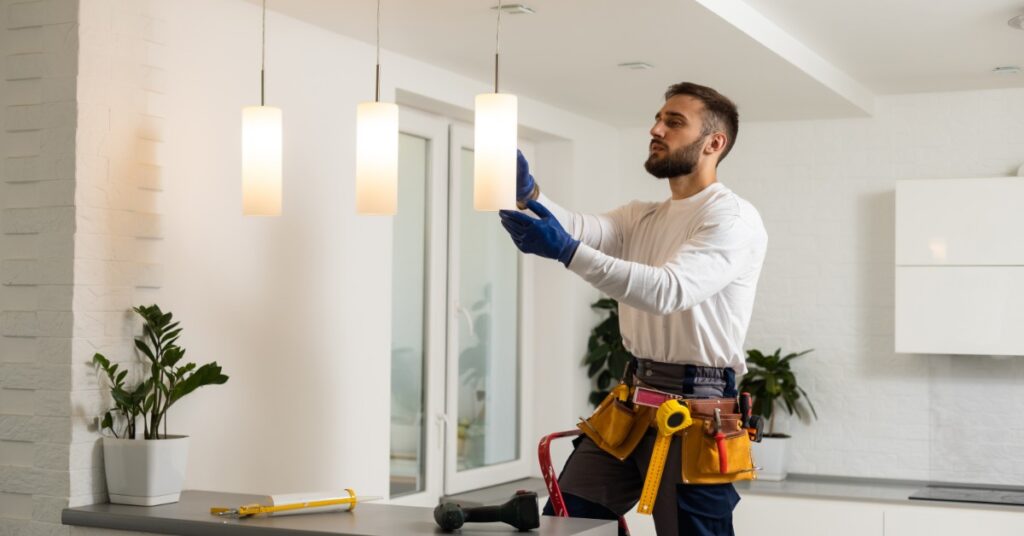
Installing new light fixtures can transform the look and functionality of your home, but it involves more than simply swapping out an old fixture for a new one. Understanding what to know before installing new light fixtures in your home helps you avoid safety risks, costly mistakes, and code violations. Whether you’re updating a single room or planning a larger lighting project, taking the right approach from the start ensures better results and long-term reliability.
Understanding Your Home’s Electrical System
Before installing any new light fixture, you need to understand the condition and capacity of your existing electrical system. Many homeowners assume all wiring is the same, but older homes often have outdated or insufficient wiring that may not safely support modern lighting.
Electrical boxes, wiring types, and circuit limits determine whether you can install a fixture safely. If your home has older wiring, you may need to take additional precautions or complete necessary upgrades. Ignoring these factors can lead to overheating, flickering lights, or serious safety hazards.
A professional electrician evaluates these conditions before installation. This ensures your lighting upgrade works properly and complies with current electrical standards, which ultimately protects your home.
Choosing the Right Fixture
Not all light fixtures suit every location, and choosing the wrong type creates functional and safety issues. Fixtures vary in size, weight, brightness, and intended use, so it’s important to match the fixture to the room.
Bathrooms and outdoor areas require fixtures rated for moisture or damp conditions. Installing a standard fixture in these spaces can lead to corrosion or electrical failure over time. Heavier fixtures such as chandeliers may also require additional structural support.
You should also think about light output and color tone. A fixture that looks appealing may not provide the right level of illumination for your space. Proper selection ensures you achieve both visual appeal and practical lighting.
Electrical Box Compatibility and Support
One of the most overlooked aspects of lighting installation is the electrical box behind the fixture. Standard electrical boxes often cannot support larger fixtures. If you install a heavy fixture without proper support, it can loosen or fall and create a serious hazard. In many cases, you need to install a new box or mounting bracket to handle the load safely.
A professional electrician installs the correct support for the fixture. This prevents accidents and protects your electrical system.
Circuit Load and Power Requirements
Every electrical circuit in your home has a limit on how much power it can safely handle. Adding new lighting fixtures can increase the demand on that circuit, especially if multiple lights are involved.
If the circuit becomes overloaded, you may notice breakers tripping or lights dimming unexpectedly. These warning signs indicate that the system is under strain and requires evaluation.
An electrician can determine whether your existing circuit can handle the added load. If needed, they may recommend adjustments to keep everything operating safely.

Placement and Lighting Design Considerations
Proper placement plays a major role in how effective your lighting will be. Installing a fixture without considering the layout of the room can lead to uneven lighting or unwanted shadows.
Thoughtful lighting design improves both appearance and usability. Position fixtures correctly to direct light where you need it most and enhance the feel of the space.
You should also think about how you control your lighting. Use features like dimmers to adjust lighting levels and create the right setting for your needs.
Code Compliance and Safety Standards
Electrical work must follow local building codes to ensure safety and reliability. These regulations define how you should install wiring and fixtures.
Many homeowners are unaware of these requirements, which can lead to unsafe installations. Improper grounding or incorrect connections are common installation issues.
Professional electricians stay current with code requirements. They ensure each installation meets the necessary standards, which helps protect your home and avoid complications. At Hagan Electric, we focus on safety and proper installation practices for every project we complete.
Tools, Skills, and Experience Required
Installing a light fixture requires more than basic tools. Working with electrical components involves risk, especially if the installer is unfamiliar with wiring practices. Mistakes such as loose connections or incorrect wiring can create long-term issues. These problems may not appear immediately but can lead to failures later.
A trained electrician understands how to handle these situations. Their experience allows them to complete the installation safely and efficiently.
When To Consider Professional Installation
Some lighting projects may appear simple, but they can become complex depending on the wiring and fixture requirements. If your installation involves changes to wiring or structural support, professional help is the safest option.
Electricians complete the work correctly and ensure it meets all required standards. They also manage the necessary permits and inspections.

Preparing Your Home for Installation
Preparation is an important part of a successful installation. Before work begins, you should clear the area to allow safe access.
Turn off power at the breaker to prevent electrical hazards. Confirming that the correct circuit is off is a critical step before starting any work. Proper preparation helps ensure the installation process runs smoothly and reduces the risk of complications.
Long-Term Benefits of Proper Installation
Taking the time to properly plan and install your light fixtures provides lasting benefits. Well-installed lighting improves energy efficiency and enhances how your home functions. It also reduces the likelihood of future electrical problems. A properly completed installation supports long-term reliability and performance.
Choosing professional installation can help you avoid unnecessary repairs. It also ensures your lighting system continues to operate as expected.
Trust Hagan Electric for Expert Lighting Installation
Understanding what to know before installing new light fixtures in your home allows you to make informed decisions and avoid unnecessary risks. Each step in the process contributes to a safe and successful outcome.
Hagan Electric offers professional lighting installation services backed by decades of experience in the electrical industry. As a veteran-owned company, we prioritize safety, quality workmanship, and customer trust in every job we complete. Whether you are upgrading a single fixture or planning a larger project, our team provides reliable solutions tailored to your needs. If you want your lighting project completed safely and correctly, working with a trusted professional like Hagan Electric is the right choice. Contact us today.