

Flickering lights can seem like a minor annoyance, but they often signal deeper electrical issues that require attention. Homeowners frequently wonder whether they can handle the problem themselves or if it’s time to call in an expert. Understanding the difference between safe troubleshooting and situations that demand professional service is critical for protecting your home and your safety. In this guide, we’ll break down whether DIY vs. calling a professional for flickering household lights is the right decision.
What Causes Flickering Household Lights?
Flickering lights can stem from a variety of causes, and not all of them carry the same level of risk. Some issues are simple and harmless, while others may indicate serious electrical problems behind your walls.
Loose light bulbs are one of the most common causes. When a bulb isn’t secure in its socket, the connection becomes inconsistent, leading to visible flickering. This type of issue is typically easy to fix and does not pose a major safety concern.
Voltage fluctuations can also cause lights to flicker. If large appliances such as air conditioners or refrigerators draw power from the same circuit, they can temporarily reduce available voltage. This results in momentary dimming or flickering, especially when the appliance cycles on.
More serious causes include loose wiring, overloaded circuits, or failing electrical panels. These problems can lead to overheating, electrical arcing, and even fire hazards. Recognizing the difference between a minor inconvenience and a dangerous condition is key.
When DIY Fixes Make Sense
Some flickering light issues fall well within the scope of basic homeowner maintenance. If the problem is isolated and clearly visible, you may be able to resolve it without professional assistance.
Start by checking the bulb itself. Replace it with a new one to rule out a faulty filament or internal defect. If the flickering stops, you have safely resolved the issue with a simple fix.
If the problem persists, inspect the light fixture. Turn off the power at the breaker before examining the socket. Look for signs of wear, corrosion, or a loose connection. Tightening the connection or cleaning the socket can sometimes resolve the issue.
Test whether the flickering affects only one fixture or multiple areas of your home. If only one light is involved, the issue is likely localized and manageable.
These types of fixes are generally safe because they do not require working with exposed wiring or modifying your electrical system. However, you should approach even small repairs with caution and proper safety measures.
Signs the Problem Is More Serious
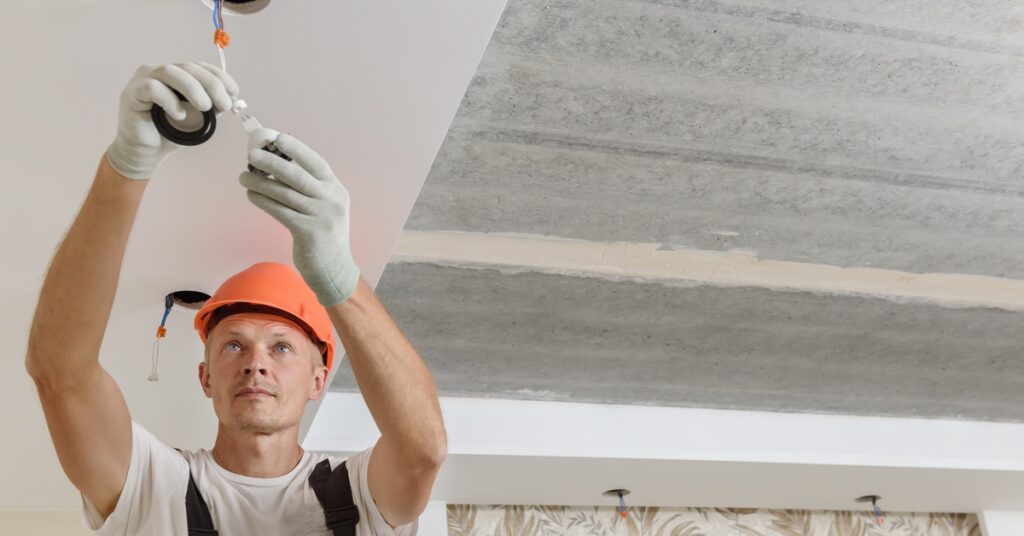
Some warning signs indicate a deeper issue that goes beyond simple DIY solutions. If multiple lights flicker at the same time, especially across different rooms, the problem may involve your electrical panel or main service connection. This type of issue requires professional evaluation.
Frequent flickering when appliances turn on can signal an overloaded circuit or inadequate wiring. Over time, this strain can damage your system and increase the risk of electrical failure.
Buzzing sounds, burning smells, or warm outlets are clear red flags. These symptoms often point to loose or damaged wiring, which can lead to dangerous conditions if left unaddressed.
Lights that dim significantly or brighten unexpectedly may indicate unstable voltage levels. This can harm sensitive electronics and shorten the lifespan of your lighting fixtures. When you notice any of these signs, it’s important to stop troubleshooting and seek professional help immediately.
The Risks of DIY Electrical Work
Many homeowners underestimate the risks involved in electrical repairs. While replacing a bulb is straightforward, working with wiring or circuits introduces serious hazards.
Electric shock is one of the most immediate dangers. Even a small mistake can result in injury, especially if you do not fully disconnect the power. In some cases, residual current can remain in the system.
Improper repairs can also create fire hazards. Loose connections, incorrect wiring, or overloaded circuits can generate heat and sparks behind walls. These issues often go unnoticed until significant damage occurs.
DIY fixes may also violate local electrical codes. In California, strict regulations govern how you must install and maintain electrical systems. Failing to meet these standards can lead to safety risks and complications when selling your home. Professional electricians understand these codes and follow them closely to ensure your system remains safe and compliant.
What a Professional Electrician Will Do
When you call a licensed electrician, you gain access to expertise that goes far beyond surface-level fixes. Professionals approach flickering lights with a comprehensive diagnostic process.
They begin by inspecting your electrical panel and circuits. This helps identify issues such as overloaded breakers, loose connections, or outdated components. If necessary, they can recommend upgrades to improve performance and safety.
Electricians also test voltage levels throughout your home. This allows them to pinpoint inconsistencies that may not be visible during a basic inspection.
If the electrician suspects wiring issues, they will examine connections within walls, outlets, and fixtures. This level of investigation requires specialized tools and training that homeowners typically do not have.
Once they have identified the root cause, the electrician will perform repairs that meet current code requirements. This ensures long-term reliability and reduces the risk of future problems.

Why Professional Service Is Often the Better Choice
While DIY solutions can be effective for minor issues, professional service offers significant advantages when dealing with electrical systems. Safety is the most important factor. Licensed electricians have the required training to handle complex problems without putting themselves or your home at risk. They follow strict procedures to prevent accidents and ensure proper repairs.
Accuracy is another key benefit. Professionals can quickly identify the true cause of flickering lights, rather than relying on trial and error. This saves time and prevents unnecessary repairs.
Long-term reliability also matters. A professional fix addresses the underlying issue, not just the symptoms. This reduces the likelihood of recurring problems and additional costs down the line. In many cases, calling an expert from the start can be more cost-effective than attempting multiple DIY fixes that fail to resolve the issue.
Trust Hagan Electric for Reliable Lighting Repairs
Understanding the difference between DIY vs. calling a professional for flickering household lights helps you make informed decisions that protect your home and your family. While you can safely handle minor issues like loose bulbs on your own, you should rely on a licensed electrician to fix more complex problems. Ignoring warning signs or attempting risky repairs can lead to serious safety hazards and costly damage.
Hagan Electric brings over 30 years of industry experience to every job, delivering reliable and code-compliant electrical solutions for homeowners. As a veteran-owned company based in Antelope, CA, we specialize in lighting repair services, ensuring your home remains safe and fully functional. Whether you’re dealing with persistent flickering or a deeper electrical problem, our team provides professional service you can trust. Contact us today!