
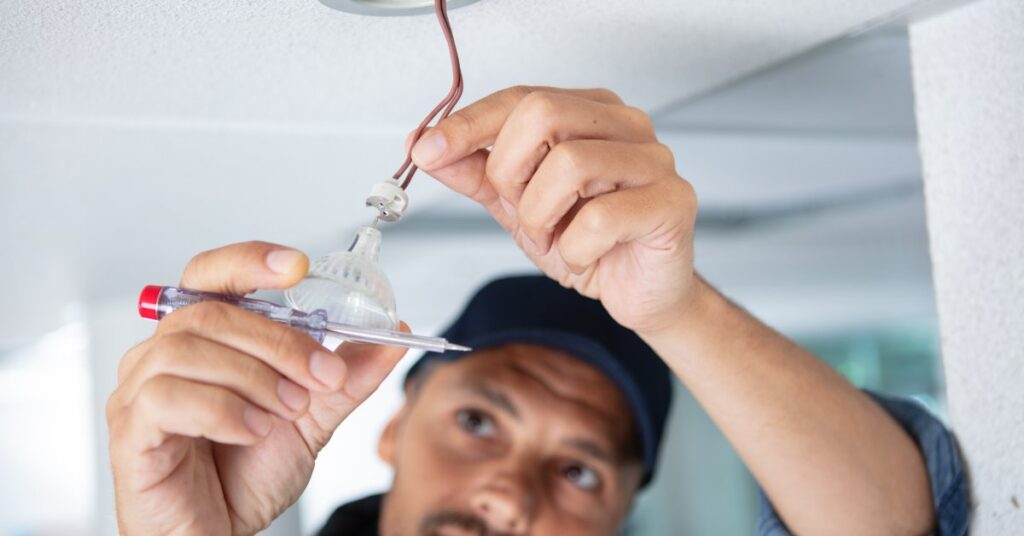
Household lighting issues can frustrate homeowners and disrupt daily routines while sometimes signaling deeper electrical concerns. Understanding the most common causes of household lighting problems helps homeowners recognize warning signs early and make informed decisions about repairs. While a burned-out bulb may seem like a minor inconvenience, recurring lighting problems often point to electrical issues that require professional attention.
Loose Light Bulbs and Poor Connections
One of the simplest causes of lighting problems involves loose light bulbs. A bulb that does not sit securely in its socket may flicker, dim unexpectedly, or stop working altogether. Homeowners often assume the bulb has failed when the real issue comes from an incomplete connection between the bulb and the socket.
Poor connections can also develop inside the fixture itself. Over time, vibration, normal wear, or repeated bulb replacements can affect contact points within the socket. When electricity cannot flow consistently through those connections, the light may behave unpredictably. An electrician can inspect the fixture, identify worn components, and restore proper operation before the issue worsens.
Worn or Failing Light Fixtures
Light fixtures experience years of use, heat exposure, and electrical activity. As components age, sockets, internal wiring, and switches can deteriorate. A fixture that once operated normally may begin flickering, buzzing, or producing inconsistent light output.
Heat often accelerates fixture wear. When homeowners install bulbs with wattages that exceed fixture ratings, excessive heat can damage internal parts. Damaged fixtures may continue functioning intermittently before failing completely. Replacing a worn fixture not only restores performance but also reduces the risk of electrical hazards associated with deteriorated components.
Faulty Light Switches
Light switches serve as the control point for many household lighting systems. Because people use them daily, switches eventually wear out. Internal contacts can loosen, degrade, or become damaged through years of operation.
A faulty switch may cause lights to flicker when someone toggles the switch. In some cases, lights may only work when the switch remains in a certain position. Homeowners may also notice crackling sounds or delayed responses. These symptoms indicate that the switch requires professional evaluation. Replacing a defective switch often resolves recurring lighting problems and improves overall reliability.
Circuit Overloads and Shared Electrical Demand
Modern households rely on far more electrical devices than homes built decades ago. As electrical demand increases, circuits can become overloaded. When lighting shares a circuit with high-demand appliances, homeowners may notice lights dimming whenever certain equipment turns on.
Overloaded circuits place stress on wiring and electrical components. Frequent dimming can signal that the circuit lacks sufficient capacity for current usage patterns. An electrician can evaluate the electrical load, identify capacity concerns, and recommend upgrades that support the home’s needs safely. Addressing overload issues protects both lighting systems and other connected electrical equipment.
Aging or Damaged Wiring
Electrical wiring plays a critical role in delivering power throughout a home. As wiring ages, insulation can deteriorate and connections can weaken. Older homes may contain wiring systems that no longer match modern electrical demands.
Damaged wiring often causes flickering lights, intermittent power loss, or lights that operate inconsistently. In some situations, homeowners may notice a burning smell near outlets or fixtures. These warning signs require immediate professional attention. Electrical wiring issues can create serious safety risks. A thorough inspection can identify problem areas and determine whether repairs or rewiring are necessary.
Problems Within the Electrical Panel
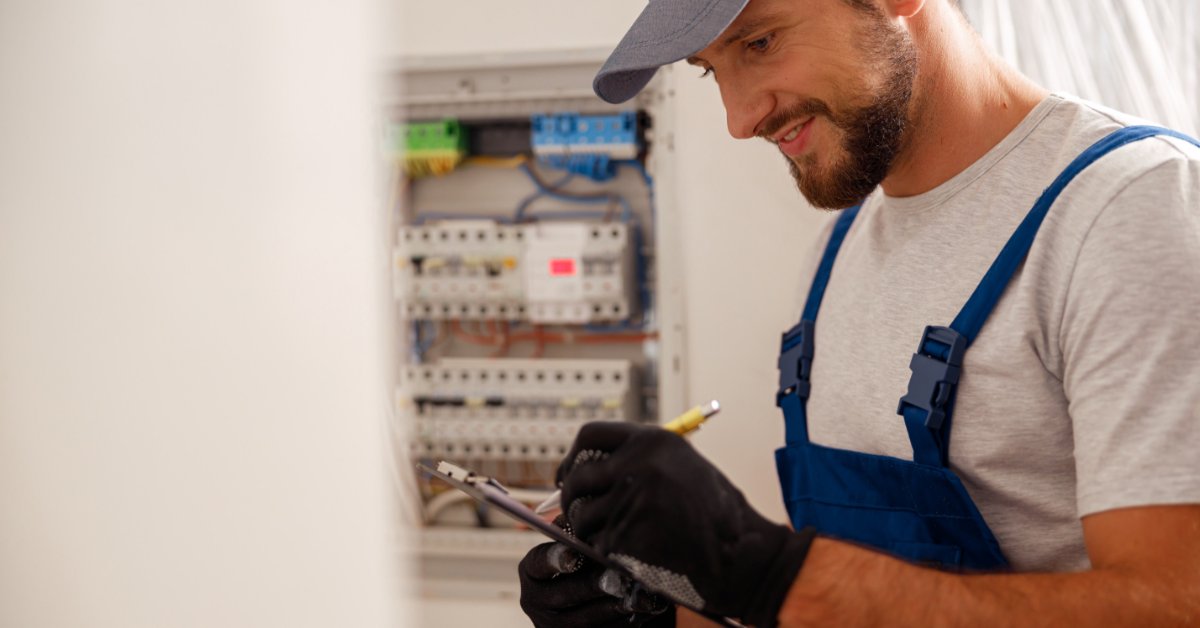
The electrical panel distributes power to every circuit in a home. When problems develop inside the panel, lighting issues often appear throughout multiple rooms. Loose breaker connections, aging components, or panel capacity limitations can all affect lighting performance.
Homeowners may notice widespread flickering rather than problems isolated to a single fixture. Lights may dim unexpectedly or fluctuate without an obvious cause. Because panel issues involve the home’s central electrical system, professional diagnosis remains essential. An experienced electrician can determine whether repairs, maintenance, or a panel upgrade will provide the most effective solution.
Utility Power Fluctuations
Not every lighting problem originates inside the home. Utility power fluctuations can also affect lighting performance. Temporary voltage variations sometimes cause lights to dim, brighten, or flicker unexpectedly.
While occasional fluctuations may occur during utility maintenance or severe weather conditions, frequent disturbances warrant investigation. An electrician can evaluate the home’s electrical system and help determine whether the issue originates internally or from the utility provider.
Improper Lighting Installation
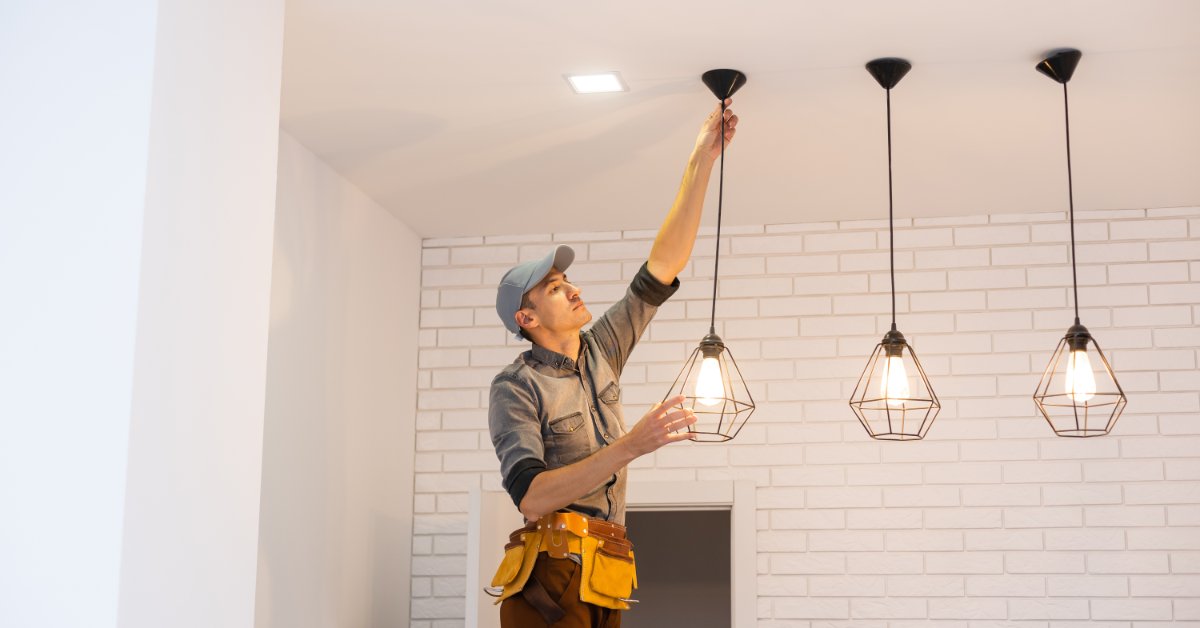
Improper installation contributes to many lighting issues. Incorrect wiring connections, incompatible dimmer switches, or poorly secured fixtures can all create performance problems. Even new fixtures may exhibit flickering or inconsistent operation when installation errors occur.
Many homeowners underestimate the complexity of electrical work. Small mistakes can lead to recurring issues that become increasingly difficult to diagnose. Professional installation helps ensure that fixtures, switches, and wiring work together correctly. Proper workmanship supports long-term reliability and reduces the likelihood of future repairs.
Compatibility Issues With Modern Lighting
Lighting technology continues to evolve, and compatibility problems sometimes arise when homeowners upgrade fixtures or bulbs. Certain dimmer switches may not function properly with newer lighting products. Incompatible components can produce flickering, buzzing, or uneven brightness.
Compatibility concerns often confuse homeowners because every component appears functional when examined individually. However, lighting systems depend on all connected parts working together properly. An electrician can identify mismatched equipment and recommend compatible solutions that deliver consistent performance and energy-efficient operation.
Why Professional Diagnosis Matters
Lighting problems rarely improve on their own. What begins as occasional flickering may eventually reveal damaged wiring, overloaded circuits, or failing electrical equipment. Early diagnosis helps prevent inconvenience while reducing potential safety concerns.
Professional electricians use specialized knowledge and testing equipment to identify root causes accurately. Rather than replacing parts through trial and error, they evaluate the entire electrical system and recommend targeted solutions. This approach saves time, improves reliability, and helps homeowners maintain a safe living environment.
Trust Hagan Electric for Lighting Repairs
Understanding the most common causes of household lighting problems allows homeowners to recognize warning signs before minor issues become major electrical concerns. When lighting problems persist, professional service provides the safest and most effective path forward.
Hagan Electric, a veteran-owned company with decades of industry experience, provides electrical lighting repair services throughout Sacramento County, CA. We diagnose complex lighting issues and perform the repairs needed to restore dependable illumination throughout the home. Reliable lighting supports comfort every day. Call now to learn how we can help.